
Book Online
Diarrhea in Southeast Houston: What Parents Need to Know
Same Day Appointments
Telemedicine Available!
It is 2 a.m., and your child is up for the third time with a stomach that will not settle. The sheets are changed, your worry is growing, and the first question is always the same: is this normal, or is it serious? Most cases of diarrhea in Southeast Houston are short and manageable at home, and knowing what to watch for turns panic into a plan. Below, you will find what usually causes it, how to keep your child hydrated, and the signs that mean it is time to call.
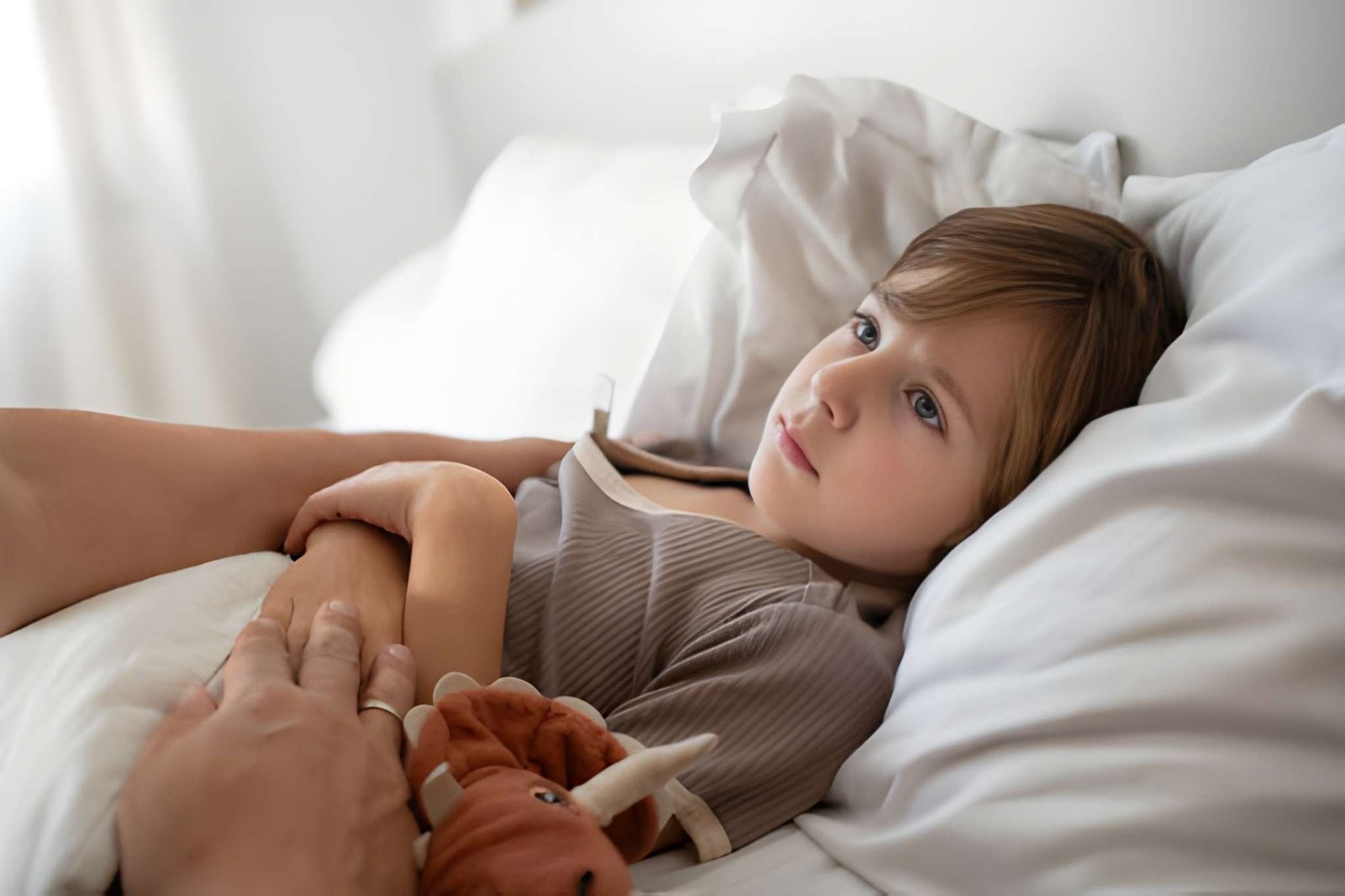
What Causes Diarrhea in Kids in Southeast Houston?
Diarrhea means frequent, loose, or watery stools, and in children it is most often caused by a viral or bacterial infection. Other triggers include certain foods, too much fruit juice, and new medicines such as antibiotics. In many cases it improves within a few days.
How to Care for Diarrhea in Kids at Home
The goal is to replace lost fluids and keep your child eating normally, not to stop the diarrhea itself. Offer small, frequent sips of an oral rehydration solution, continue breast milk or formula for babies, and return to regular foods as soon as your child is willing. Avoid anti diarrhea medicines unless your pediatrician recommends them.
Here is a practical routine for the first day:
- Offer fluids often. Small sips every few minutes are easier to keep down than a full glass, especially if your child is also vomiting.
- Choose an oral rehydration solution. Products such as Pedialyte replace the salt, sugar, and minerals lost through diarrhea. Skip juice, soda, and sports drinks as replacements, because they can make symptoms worse.
- Keep feeding. Babies should continue breast milk or formula. Older children can go back to their regular diet, and starchy foods like rice, cereal, and crackers are usually well tolerated.
- Hold off on medicine. Over the counter remedies can be unsafe for children, and some, like Pepto-Bismol, contain a form of aspirin. Check with your pediatrician first.
- Protect the rest of the family. Wash hands often, clean the bathroom and hard surfaces, and wash soiled clothes and linens in hot, soapy water.
Signs of Dehydration in Children to Watch For
Dehydration is the biggest risk of diarrhea in children, because little bodies lose fluids quickly and cannot always drink enough to keep up. Watch for fewer wet diapers or less urine, a dry or sticky mouth, crying without tears, sunken eyes, and unusual sleepiness or irritability.
In practice, it helps to check these signs every few hours while your child is sick. Ask yourself a few simple questions. Is your child peeing as often as usual? Are their lips and tongue moist? Do they still perk up when you offer a favorite toy or show? In babies, a soft spot on the top of the head that looks sunken is another warning sign.
If you notice early signs, keep offering the oral rehydration solution in small amounts and let your pediatrician know. Acting early often prevents a manageable problem from becoming a hospital visit.
How to Prevent Diarrhea From Spreading at Home and School
Handwashing is the most effective way to stop diarrhea from spreading, along with safe food handling and keeping sick children home until they feel better. The rotavirus vaccine also helps protect babies from a common cause of severe diarrhea.
Good habits make the biggest difference:
- Wash hands with soap and water after diaper changes, bathroom trips, and before meals.
- Clean and disinfect the toilet, diaper area, and other hard surfaces often.
- Handle food safely by cooking it thoroughly and refrigerating leftovers quickly, especially during Houston’s hot months.
- Keep your child home until the diarrhea has settled and they are eating and drinking normally. Ask your pediatrician about your daycare or school’s specific rules.
Beyond that, staying current on routine immunizations is one of the best ways to protect your baby. Our team can review your child’s vaccine schedule at any visit.
When to Call Your Pediatrician for Diarrhea in Kids
Call your pediatrician if diarrhea is getting worse, has not improved after about 48 hours, or comes with signs of dehydration, a high fever, severe stomach pain, or blood in the stool. Babies under 3 months with a fever of 100.4°F or higher need to be seen right away.
Contact us if your child:
- Refuses to breastfeed, bottle feed, or eat
- Has not peed in 8 hours or more
- Has bloody diarrhea or severe belly pain that is more than occasional cramps
- Has a fever that is high or lasts more than a couple of days
- Seems to be getting worse instead of better
That said, some situations need emergency care. Call 911 or go to the nearest emergency room if your child is extremely sleepy or hard to wake, seems confused, faints, or passes maroon or very bloody stools.
At Homero Garza Pediatrics, we accept same day appointments and walk-ins, and telemedicine is available when a video visit makes sense. You can learn more about our sick visits or book online.
FAQ
How long does diarrhea last in kids?
Mild diarrhea usually goes away in a couple of days. If it lasts longer than about a week, keeps coming back, or your child is not getting better, call your pediatrician.
Is diarrhea in kids contagious?
When an infection is the cause, yes. Germs spread through unwashed hands, contaminated surfaces, and food, which is why handwashing and cleaning matter so much.
What should my child eat when they have diarrhea?
Offer their regular diet as soon as they are willing, including starchy foods such as rice, cereal, and crackers. Keep sugary drinks to a minimum, and continue breast milk or formula for babies.
Can I give my child Pepto-Bismol or Imodium?
Not without checking with your pediatrician first. Some of these medicines are not safe for children, and diarrhea is often the body’s way of clearing out the infection.
Help Your Child Feel Better Faster in Southeast Houston
Watching your child feel miserable is hard, and it is natural to second guess every sip and every diaper. You do not have to figure it out alone. Paying attention to fluids, watching for dehydration, and knowing when to call can make the difference between a rough few days and a worrying one.
If your child has diarrhea and you are unsure what to do next, our team is here to help from our offices in The Heights and on the Gulf Freeway. Contact us and schedule an appointment so your little one can get back to feeling like themselves again.

About Dr. Homero Garza
Dr. Homero Garza, MD, is a