
Book Online
Allergies in Kids in Southeast Houston: All You Need to Know
Same Day Appointments
Telemedicine Available!
Allergies in kids involve many concerns for parents because numerous triggers can cause reactions in Southeast Houston. For example, if your child has recurring sneezing, nasal congestion, itchy eyes, or seasonal symptoms, you will wonder whether allergies are to blame. By recognizing possible triggers, understanding Houston’s allergy seasons, and knowing when your child may need pediatric care, you can prevent complications and help your child manage symptoms. Learn how.
When Recurring Symptoms May Point to Allergies in Kids
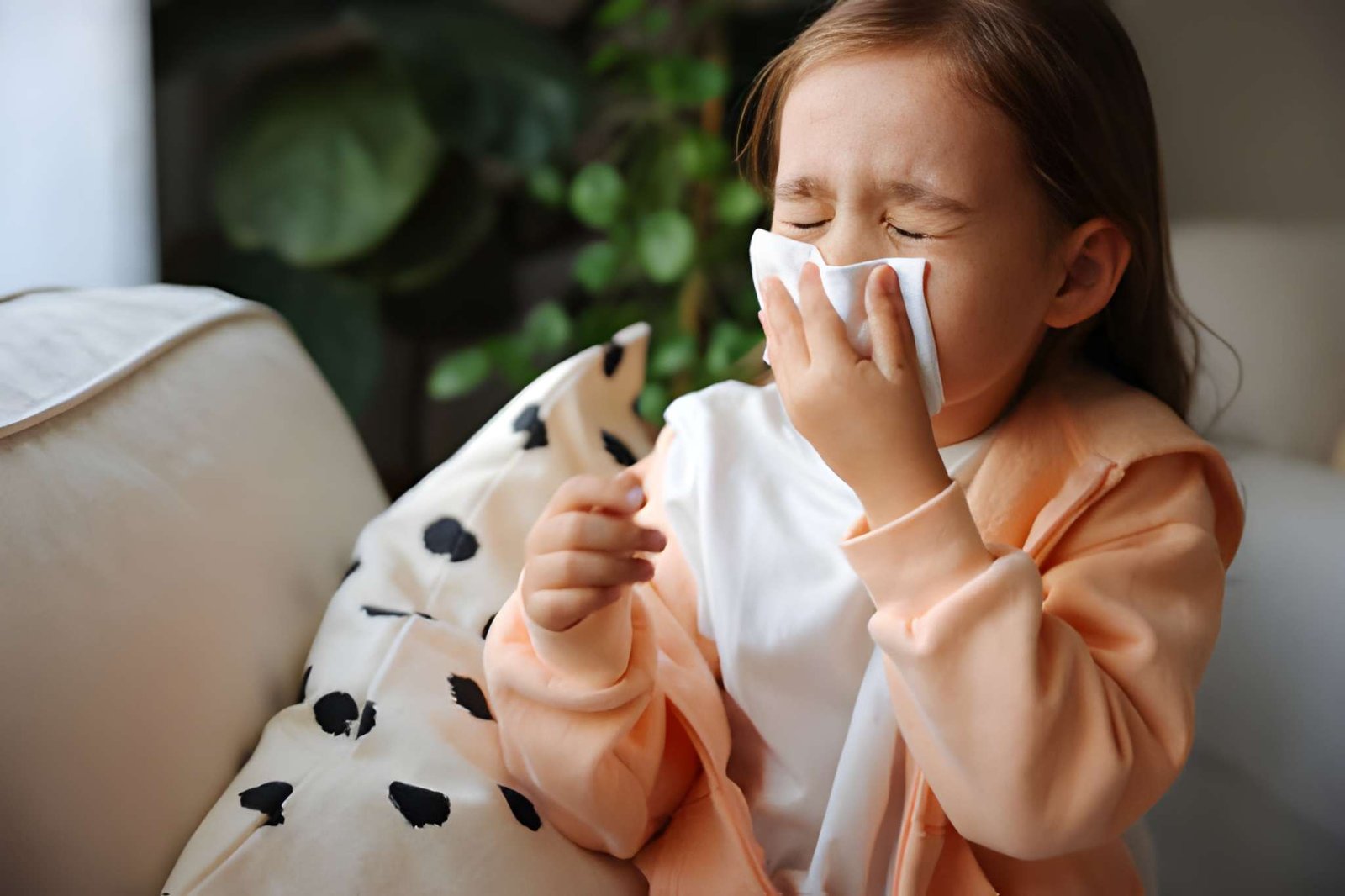
Children can react to different environmental allergens, including pollen, dust mites, mold, and pet dander. However, allergy symptoms can overlap with those of a common cold and other conditions, so don’t rely on symptoms alone to identify the cause. Pay attention to recurring patterns. Does your child start sneezing after playing outdoors? Do they wake up congested most mornings? Recognizing these patterns can help you explain your concerns to your child’s pediatrician and determine whether further evaluation is appropriate.
What Are 4 Severe Allergy Symptoms in Kids?
Allergic reactions can range from mild symptoms to anaphylaxis, a potentially life-threatening emergency. Severe reactions may develop quickly after exposure to a trigger, and children do not need to experience all warning signs for a reaction to be serious. If your kids experience some of the following symptoms, they require particular attention:
- Difficulty breathing: Trouble breathing, significant wheezing, noisy breathing, or sudden respiratory distress may indicate a severe allergic reaction.
- Swelling of the lips, tongue, or throat: Swelling involving the mouth or throat can become dangerous if it interferes with breathing.
- Dizziness or collapse: Sudden weakness, fainting, confusion, or signs of low blood pressure may indicate that the reaction is affecting circulation.
- Throat tightness: Allergies in kids may cause sudden throat tightness, a changed voice, or trouble swallowing after exposure to suspected allergens.
Look for Patterns in Your Kids’ Daily Routine
Allergies in kids don’t always appear at the same intensity throughout the day. Therefore, observing when and where they occur can help you identify possible triggers to discuss during the appointment.
Symptoms After Outdoor Play
If your child develops sneezing, a runny nose, or itchy, watery eyes after playing outside, pollen could be contributing to their symptoms. Wind can carry pollen from trees, grasses, and weeds; exposure varies with weather conditions and the time of year.
Congestion at Home or Overnight
Some children experience more noticeable nasal congestion, sneezing, or itching at home or during the night. Indoor allergens, such as dust mites, pet dander, and mold, may contribute to these symptoms. Consider whether symptoms are worse after waking up, while in a specific room, or after contact with your pets.
Symptoms During School
If your child experiences recurring symptoms during school, daycare, or other regular activities, consider whether there are patterns related to the environment or daily routine. For example, symptoms may appear after outdoor recess, during certain activities, or after spending time in a particular setting.
What Are the Allergy Seasons in Southeast Houston?
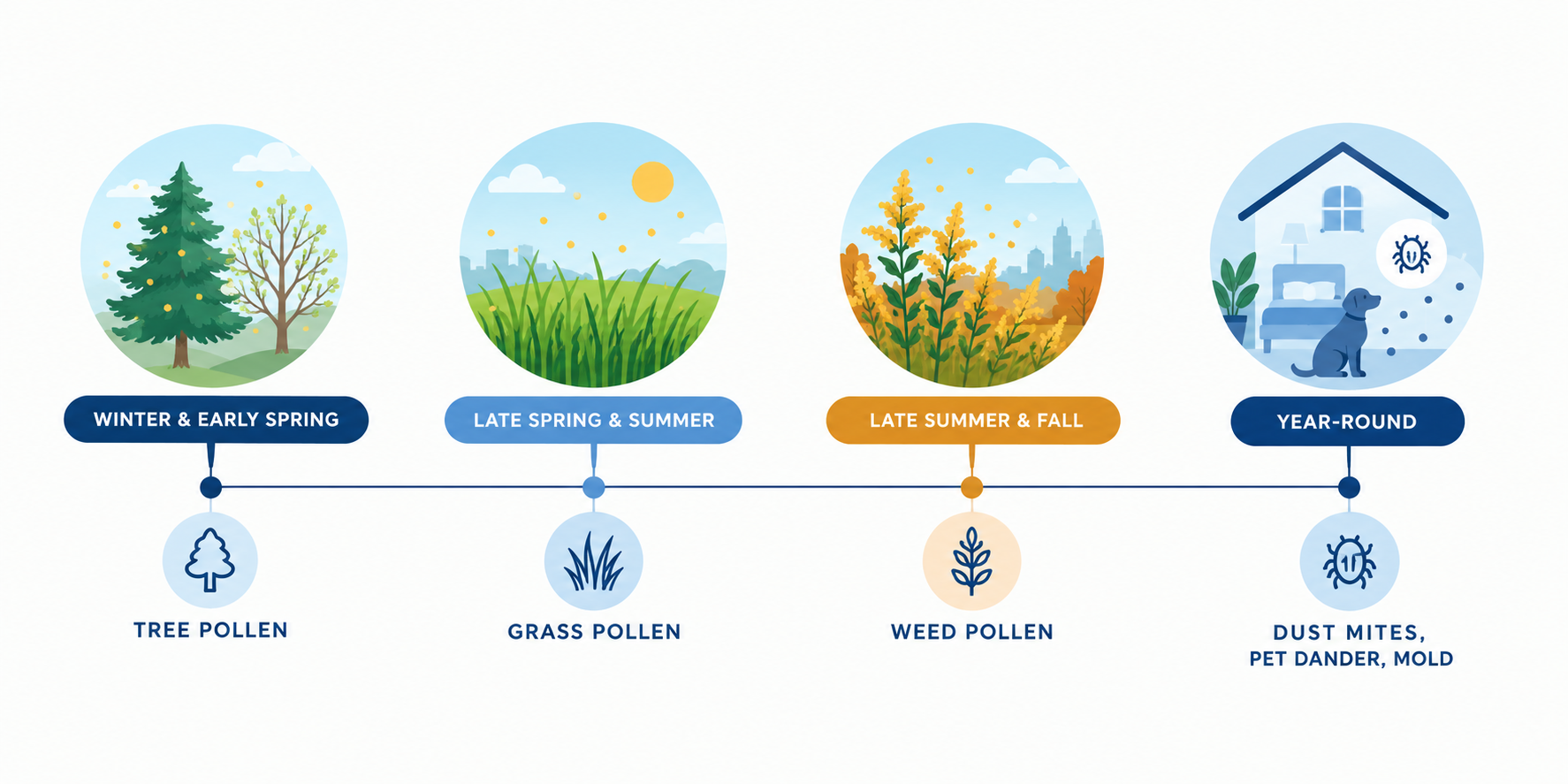
In Southeast Houston, children may experience allergy symptoms at different times throughout the year. The timing depends on the allergen, local weather, and individual sensitivities. Tree pollen, grass pollen, weed pollen, and mold spores can all contribute to seasonal symptoms. Once you understand the general pattern in each season, you can prepare your family to manage symptoms properly.
👶Related content: Allergies in Kids – Surviving the Pollen Season in Houston
Winter and Early Spring: Tree Pollen
Tree pollen can become a concern during the cooler months and continue into spring. Houston’s pollen monitoring program measures major tree pollen during the main season; however, the timing and intensity can vary.
Late Spring and Summer: Grass Pollen and Mold
As temperatures rise, grass pollen triggers seasonal allergies in children. Grass pollen activity may continue through late spring and throughout the summer. Mold spores can also be a concern because of Houston’s warm and humid climate. Children who are sensitive to mold may notice symptoms when exposure increases.
Late Summer and Fall: Weed Pollen
Weed pollen can become more noticeable from summer into fall. Ragweed is a recognized seasonal allergen, although pollen amount and timing in the air vary. Some tree pollen, including pollen from cedar elm, is also monitored during September and October in the Houston area.
Allergens That Can Affect Children Year-Round
Not every allergy follows a distinct season. Indoor allergens, such as dust mites, pet dander, and mold, can trigger symptoms year-round. If you notice recurring symptoms outside the main pollen seasons, track indoor conditions and discuss possible triggers with your pediatrician. Additionally, for current local information, check the Houston Health Department’s Pollen and Mold Reports.
FAQ
What tree pollen is most common in Southeast Houston?
Oak is one of the most important tree pollen sources to know about in the Houston area. Houston Health Department reports and local allergy season coverage frequently identify oak pollen as a major contributor during spring, with levels often peaking in mid-to-late March.
Can allergies in kids affect sleep or school performance?
When your child is constantly affected by nasal congestion, sneezing, and itchy eyes, it can be difficult to sleep comfortably or concentrate during school activities, affecting both rest and academic performance.
What information should I bring to my child’s allergy appointment?
Bring a list of symptoms, when they occur, possible environmental triggers, medications or treatments tried, and any relevant medical history to support the diagnosis. Additionally, you can bring notes about sleep disruption or missed school to help the pediatrician understand how symptoms affect your child.
Protect Your Kids Year-Round in Southeast Houston
Allergies in kids can be a constant challenge, especially if you don’t know how to manage the symptoms correctly. Paying attention to when symptoms occur, recognizing possible seasonal patterns, and knowing which warning signs require urgent attention can help you decide what to do next.
If your children have persistent symptoms or you are concerned about possible allergies, our staff in Southeast Houston can help you discuss your concerns and determine appropriate next steps. Contact us and schedule an appointment to keep them protected in every season.