
Book Online
Jaundice in Kids: What Parents in Southeast Houston Should Know
Same Day Appointments
Telemedicine Available!
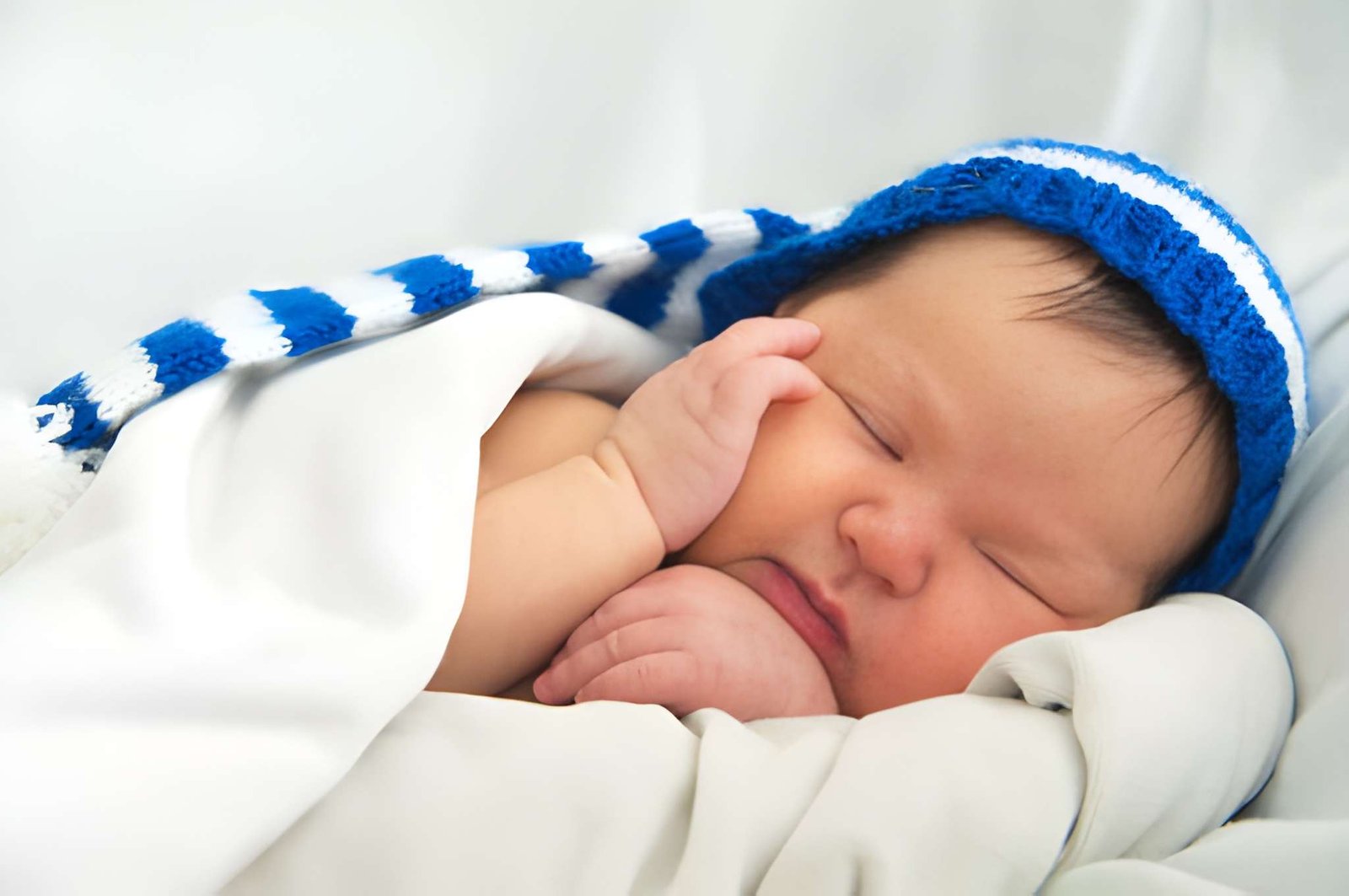
During the first few weeks of your newborn’s life, the health concerns are overwhelming; one of the conditions to watch for is jaundice in kids. An alarming sign is seeing a yellow tint in your child’s skin, although it is common in newborns; however, many parents forget that jaundice can occur beyond the neonatal period and can cause serious complications if left untreated. Therefore, if you notice visual changes in your baby’s skin or eye tone after the neonatal period, this guide can help you understand how to proceed and protect your child in Southeast Houston.
What Does Jaundice in Kids Look Like in Southeast Houston?
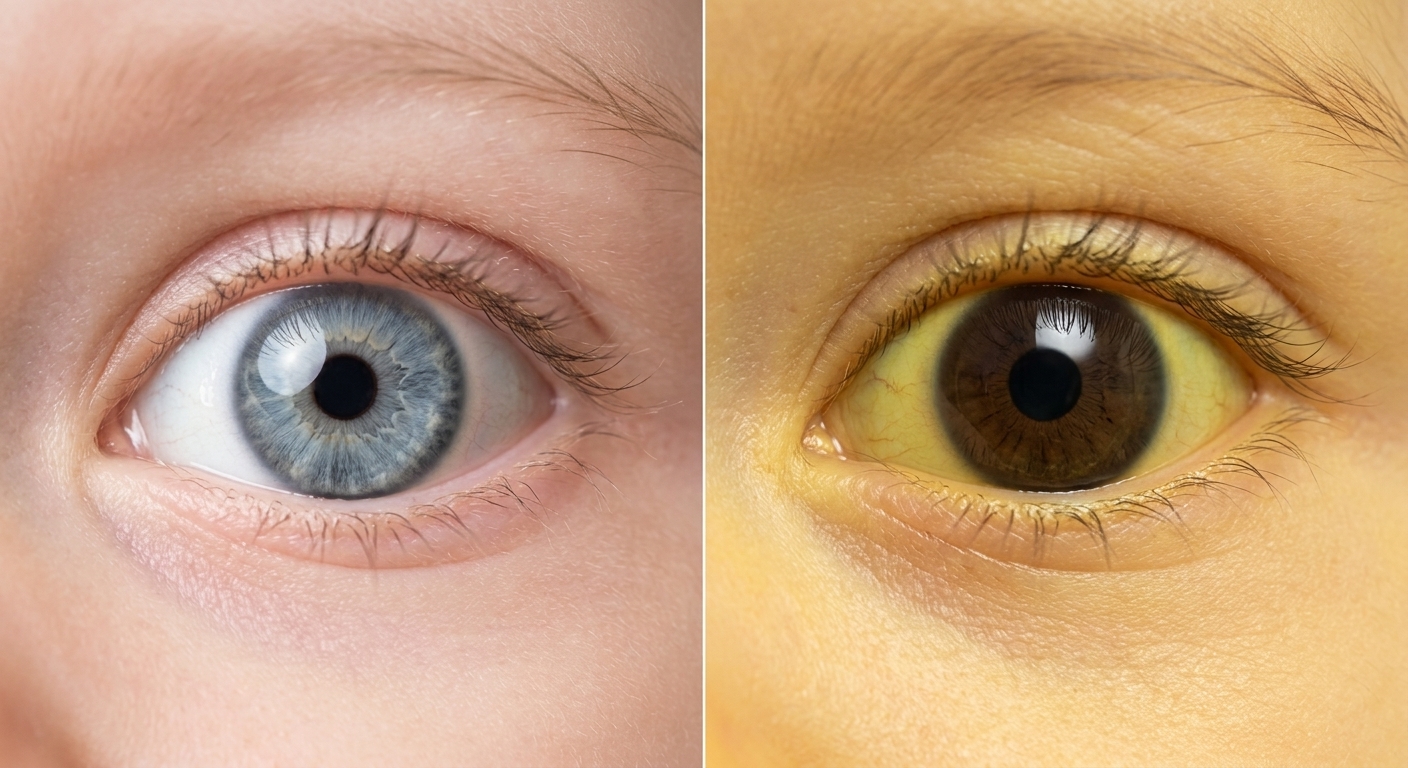
Visual changes are the first factor parents look for during their children’s first months of life. Jaundice in kids usually causes a yellow tint to the skin, eyes, or the inside of the mouth. Depending on the cause and intensity, other symptoms may appear, such as darker urine, pale stools, and itching. In kids with darker skin tones, it may be more difficult to identify jaundice visually by observing the skin; therefore, you may notice a visual change in the eyes. Additionally, it is important to remember that jaundice is not a disease by itself; it is a sign of high bilirubin, and something is affecting how the body produces, processes, or eliminates it.
What Causes Jaundice in Children?
Bilirubin is produced when the body breaks down old red blood cells. Normally, the liver processes this substance and helps the body eliminate it. However, if the body produces excess bilirubin, the liver cannot process it quickly enough, causing bilirubin to accumulate and produce these symptoms. The most common causes of jaundice in kids after the neonatal period include:
- Conditions that cause increased breakdown of red blood cells
- Liver disease or dysfunction
- Difficulty maintaining normal bile flow
- Specific medications
- Infections
- Congenital or genetic conditions
💡Remember: Jaundice does not always mean a liver problem. Although the liver and the biliary system can be involved, there are other causes.
Is Jaundice in Kids the Same as Newborn Jaundice?
Jaundice is common in newborns because their liver is maturing and adapting to process the bilirubin after birth. In many healthy babies, it appears on the first day of life and typically resolves on its own. In fact, the American Academy of Pediatrics notes that jaundice in newborns can last from the first month of life up to 3 months. After that period, if the child develops jaundice, the case it may warrant further investigation, as it is no longer considered physiological. Therefore, once you notice small changes in skin tone, track other symptoms and communicate with your pediatrician.
How Do Doctors Diagnose Jaundice in Kids?
Diagnosis normally starts with a clinical evaluation; the pediatrician can ask when the yellow tint in the skin started, whether it has changed over time, other symptoms your child has, and whether there is any relevant medical history.
Depending on the evaluation results, blood tests may be necessary to measure bilirubin levels and check other possible causes. After these tests, the next step is to evaluate the liver or the underlying cause, depending on the case.
👉Related content: Powerful Guide For Jaundice in Kids in The Heights, Houston
When Should You Seek Immediate Pediatric Care for Jaundice in Kids?
While any sign of yellowing in a child past the newborn stage warrants a medical evaluation, it is crucial to recognize when symptoms require urgent intervention. Jaundice itself is a clinical sign of elevated bilirubin, but accompanying symptoms can indicate whether it stems from a mild viral illness or a more serious underlying condition.
Schedule a Same-Day Pediatric Appointment If You Notice
Go to Urgent Care or the Emergency Room Immediately If Your Child Has
FAQ
Can jaundice go away on its own?
Jaundice in kids usually disappears on its own within a week or two; however, if it lasts longer, your child should be examined by a pediatrician to prevent serious complications or ensure your child’s liver is healthy.
Can food help reduce jaundice in kids?
This is a very common question for parents, but there is no specific food that “heals” jaundice in kids. However, proper nutrition is important for your children’s health; once jaundice is present, don’t try home remedies or introduce specific foods into the diet. Instead, schedule a consultation to have your child diagnosed and start a reliable treatment.
What color is stool with jaundice?
A disturbance in bile flow typically causes stool to appear pale, gray, or clay-colored. If your child presents this change along with jaundice, the next step is to schedule a consultation with your pediatrician.
Is jaundice a liver problem?
It can be related to the liver, but not always. Jaundice can be caused by issues with red blood cells, infections, medications, or obstructions in bile flow.
Don’t Let Jaundice in Kids Affect Your Family in Southeast Houston
Caring for your loved ones involves constant pediatrician visits and monitoring any abnormal symptoms they experience during the first months of life. However, it is normal not to know certain conditions that may affect their life or represent a serious risk to their long-term health, especially if you are a first-time parent. Jaundice in kids after the neonatal period can have different causes; therefore, a pediatric evaluation can help determine and diagnose the root cause to start early treatment. Contact us and schedule a consultation to protect your kids through prevention.